What is the internet?
To answer this question we first have to understand what exactly the internet is. In short the internet is the interconnection of multiple networks into one big network that stretches around the globe.
How are those networks interconnected?
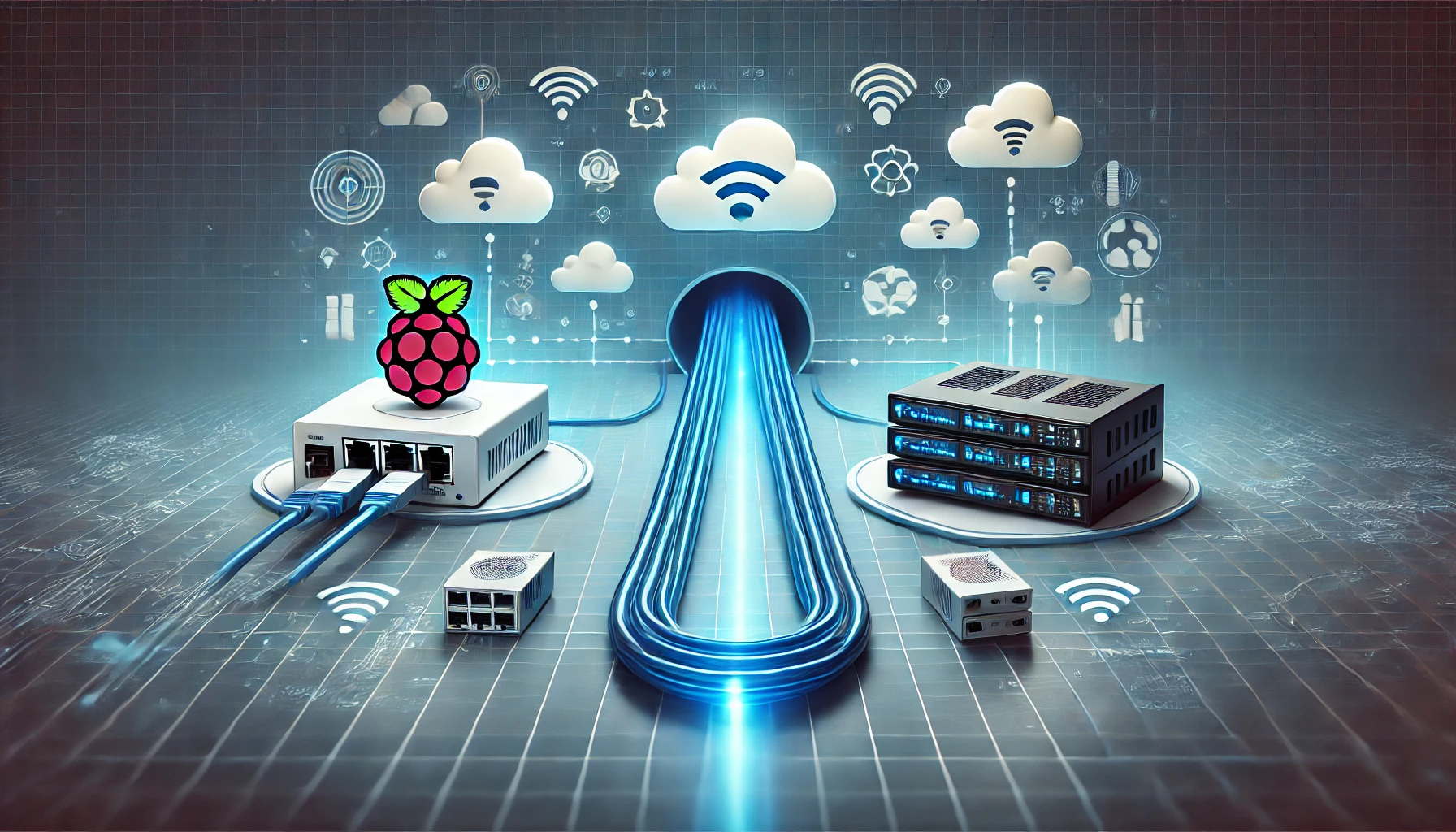
Different types of equipment are at work here. We can categorize them into end devices, intermediary devices and network media. End devices are at the source or destination of every data transmission. Our computer, notebook, smartphone, tablet or printer would count as them. Intermediary devices are able to connect different networks with each other and route data between those intermediary devices. Routers and switches are part of this category. What is left are the network media. They allow us to connect those intermediary devices with each other so we can establish a connection between them. Those are cables and wireless connections.
This infrastructure we can enjoy today didn't happen overnight. Over the years all those devices had to be physically connected over larger regions, between countries and even continents. We can even see a map of the cables that have been laid underwater at this site https://www.submarinecablemap.com/. For wireless transmissions antennas and satellite is used.
How can we access the internet?
We receive access through our Internet Service Providers (ISP). They either provide us with a preconfigured router or we can use our own and configure it accordingly. Some routers have an in-built modem and switch. The modem allows us to connect with our ISP and the switch is necessary, so we can establish at least a cable connection if the router or our end devices don't have wireless functionality. When everything is set up and all devices are connected, we were able to create our own network to gain internet access. Connected devices receive a unique IP address from the router. This allows the router to know which device is sending and receiving data later on.
Networks can be as small as a home network, but can also be as big as a company network with many hundreds or thousands of users and devices. Depending on the scenario there are many types of network devices with advanced functions that can be used to fulfill the desired needs.
How does data travel the internet?
At last we circle back to our initial question. When we think about network connections, we need to think in form of data. But not in big chunks of data. Rather smaller pieces of data, also described as packets, in which the larger files get divided by our end device before it gets sent.
When we browse the web, we make requests to receive data from a destination. When we visit a website like Google, Amazon or Netflix. We ask its server to sent us information, so it can be shown in the browser. Our requests are sent in form of packets as mentioned earlier.
Those packets will reach our router, because it is our gateway to access all the information provided by the internet. Each packet contains information about the sender and destination in form of IP addresses. Now our router has to find the next best path for the packets and sends them on their way out. On their journey those packets have to pass multiple routers. And at each stop they as well try to find the next best path for these packets, so they can reach their destination.
After arriving at the desired destination, the information inside those packets get evaluated and the requested resource gets sent back to the source of the request (our end device). This is only possible because the packets contain the information from where they are coming from. And as you can guess, the answer of the destination will be sent in form of packets as well.
Now our router receives those response packets and forwards them to the correct device waiting for them. The end device puts all those packets back together and presents us with the awaited web page, stream or the downloaded file.
We see that intermediary devices like routers play a crucial role in networks. They provide our devices with an unique IP address, so they can be distinguished from one another. They receive data from inside and outside the personal network, evaluate the packet information and forward them accordingly. There are many more devices with equally important different functionalities as well like firewall appliances that are responsible for the security of networks. But in this article we have been interested in the movement of data between networks therefore our focus was on the routers.
About the author
Hey, I am Mahdi.
I am currently a computer science student.
Comments
Join the discussionNo comments yet. Be the first to comment.